Babyleaf salad
A 4,500-Year-Old Superfood
Lactuca sativa — One of the lettuce families that gives you our baby leaf salad — is one of the oldest vegetables humans have ever cultivated. Its wild ancestor, Lactuca serriola (prickly lettuce), is native to the Mediterranean basin and the Middle East, and genetic evidence places the first domestication event around 6,000 years ago, near the Caucasus region.
The earliest visual records of cultivated lettuce appear on the walls of Egyptian tombs dating to approximately 2500 BC. The ancient Egyptians grew it as a sacred plant associated with Min, the god of fertility, and initially harvested its seeds for oil. Over centuries, selective breeding transformed it from a bitter, thorny weed into the tender leafy green we know today. From Egypt it spread to Greece and Rome, where it became a staple of the diet and the subject of medical writings — Hippocrates himself praised its calming and digestive properties. The very name Lactuca comes from the Latin "lac" (milk), a reference to the milky sap that flows when the stem is cut.
What the ancients intuited by observation, modern science has now confirmed with precision.
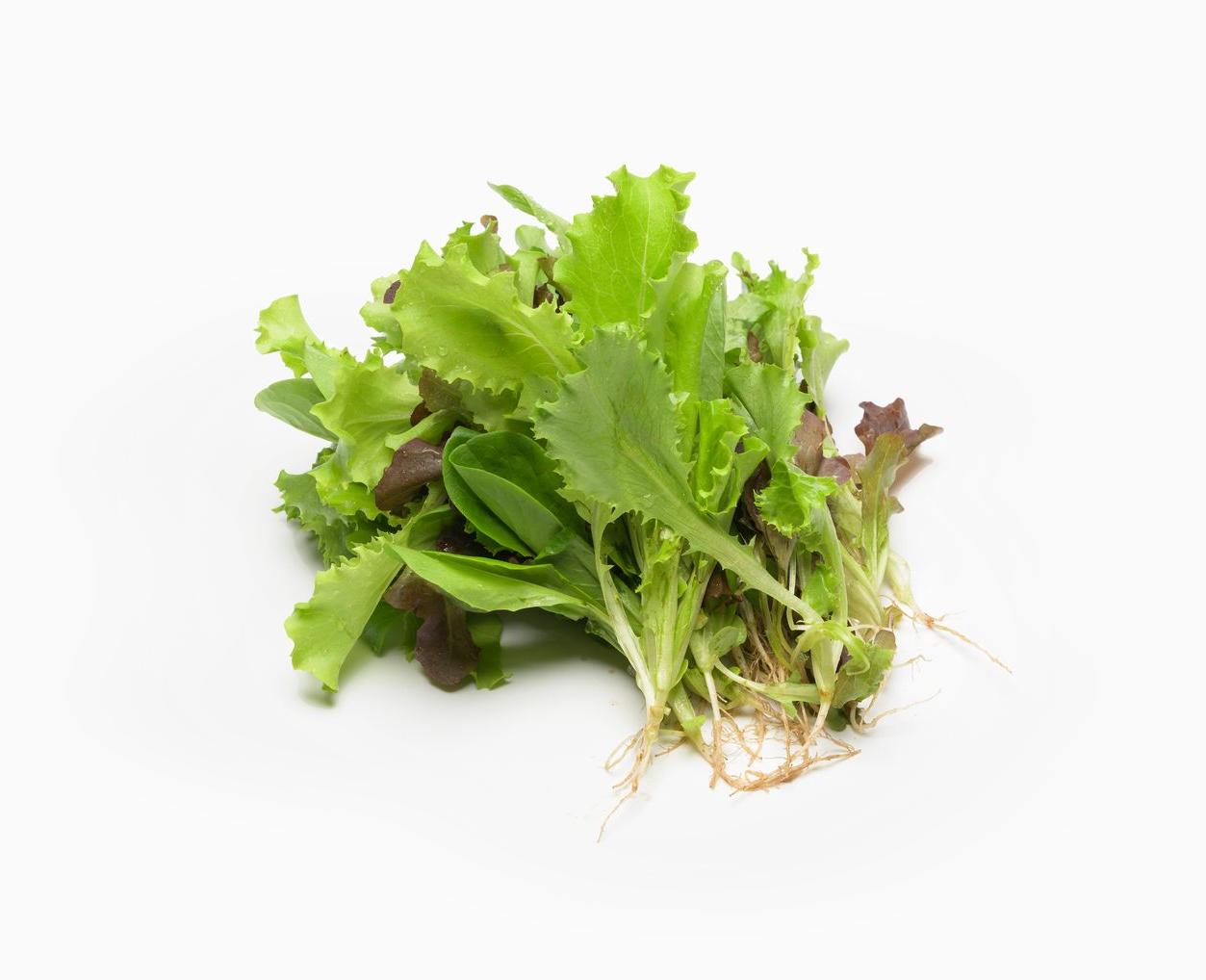
What Science Says This Green Actually Does for You
Protects Your Heart
Eating green leafy vegetables regularly is associated with a significantly lower risk of cardiovascular disease and heart-related death. The nitrates and potassium in leafy greens help relax blood vessels and lower blood pressure, while their fiber content supports healthy cholesterol levels*.
* Dietary Green Leafy Vegetables and Cardiovascular Disease Risk: A Systematic Review and Meta-Analysis Foods, 2026. DOI: 10.3390/foods15152678
* Aune D., et al. European Journal of Epidemiology, 2021.
Slows Cognitive Decline
Just one daily serving of green leafy vegetables is associated with a rate of cognitive decline equivalent to being 11 years younger. The key players are lutein, folate, vitamin K, and nitrates — all of which support blood flow to the brain and protect neurons from oxidative damage*.
*Morris MC, et al. Neurology, 2013;81(21):1791–1799. DOI: 10.1212/WNL.0b013e3182a4a7d3
Powerful Antioxidant Shield
Baby leaf salads in particular are rich in polyphenols, flavonoids, and glucosinolates — natural compounds that neutralize free radicals before they can damage your cells. Studies show that mixed baby-leaf salads (red lettuce, rucola, watercress) deliver antioxidant activity comparable to synthetic vitamin E analogs*.
*Aires A, et al. Molecules, 2013;18(5):4978–4992. DOI: 10.3390/molecules18054978
Calms Systemic Inflammation
A diet rich in dark green leafy vegetables measurably lowers C-reactive protein (CRP), the body's primary marker of chronic inflammation — the silent driver behind heart disease, diabetes, and neurodegeneration. The more leafy greens on your plate, the lower your inflammatory burden*.
*Carrillo-Lorda M, et al. American Journal of Therapeutics, 2019. DOI: 10.1177/1559827619894954
Protects Your Vision
Green leafy vegetables are the single richest dietary source of lutein and zeaxanthin, the two carotenoids that accumulate in the retina and act as a natural sunscreen for your eyes. Higher intake is significantly associated with a reduced risk of age-related macular degeneration — the leading cause of irreversible vision loss in people over 50*.
*Chung H, et al. American Journal of Clinical Nutrition, 2012;95(2):398–407. DOI: 10.3945/ajcn.111.021604
*Sanchez S, et al. JAMA Ophthalmology, 2016;134(2):135–142. DOI: 10.1001/jamaophthalmol.2015.4652
May Lower Cancer Risk
Regular consumption of green salad is associated with improved survival outcomes in cancer patients and a lower circulating level of cancer stem cell markers. The combination of folate, indoles, isothiocyanates, and fiber working synergistically is what makes leafy greens a protective food rather than just a filling one*.
*Bell EB, et al. Nutrients, 2021;13(2):372. DOI: 10.3390/nu13020372
*Fuchs CS, et al. International Journal of Cancer, 2000;86(2):227–233. DOI: 10.1002/1097-0215(20000720)86:2<227::AID-IJC10>3.0.CO;2-J
Fills the Micronutrient Gaps
Salad consumption is strongly correlated with meeting daily recommended intakes of vitamin C, folate, vitamin E, and carotenoids — nutrients most people fall short of. One serving of fresh salad measurably raises blood concentrations of these compounds within hours*.
*Smit H, et al. Journal of the American Dietetic Association, 2006;106(9):1336–1343.
Biolatina's bonus
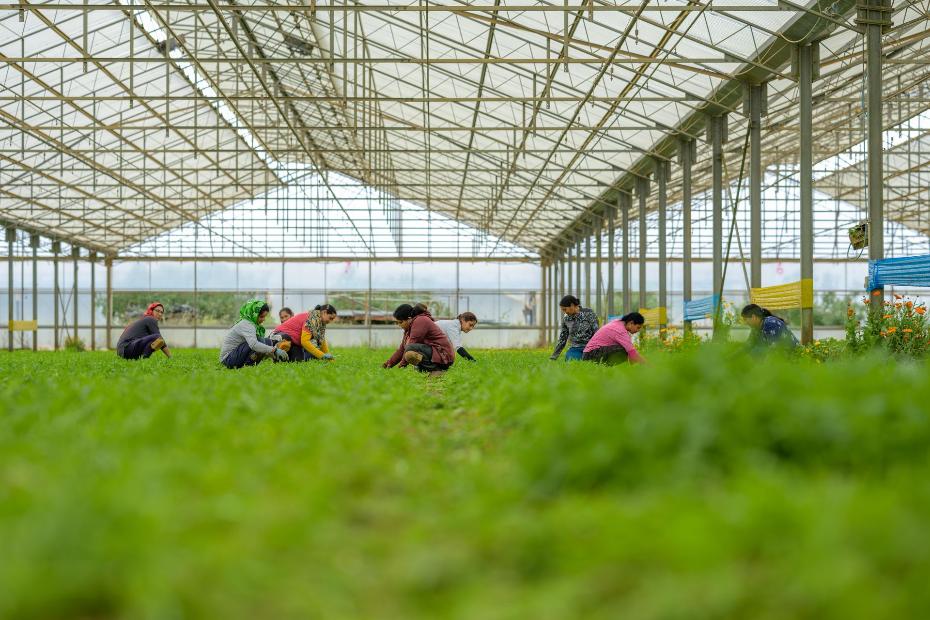
Our same-day harvest-to-delivery process preserves the full spectrum of these bioactive compounds. Antioxidants, carotenoids, and vitamins degrade rapidly after cutting — our minimal time between harvest and delivery means you receive the maximum nutritional value science has documented.*
Some additional notes on organic salad in general
Several studies suggest that vegetables grown under organic farming practices contain significantly higher levels of certain nutrients compared to conventionally cultivated ones*.
A 2014 meta-analysis published in the British Journal of Nutrition, based on 343 peer-reviewed scientific publications, revealed that concentrations of a broad range of antioxidants—including polyphenols—were notably elevated in organically grown vegetables relative to conventionally cultivated counterparts; some cases such as anthocyanins showed increases up to 51%**.
> * R. Pinton, Biologico la parola alla scienza. Assobio, Bologna, 2015
> ** Barański M., Średnicka-Tober D., Volakakis N., Seal C., Sanderson R., Stewart G.B., Benbrook C., Biavati B., Markellou E., Giotis C., et al. Higher antioxidant and lower cadmium concentrations and lower incidence of pesticide residues in organically grown crops: A systematic literature review and meta-analyses. Br. J. Nutr. 2014;112:794–811
Biolatina's baby leafs are:

Enviroment
Grown near the Circeo Natural Park, in lush nature, among dozens of protected species of plants and animals.

Organic and Biodynamic
Certified from seed to plate since 1985.
Fresh
Harvested and immediately distributed, they undergo no preservation processes apart from refrigeration during the hottest periods: thus, they retain all their properties.

Dedicated work-line
Harvested, hand-sorted, and washed in the company's exclusive facility, which is used only and exclusively for Biolatina's organic products, with no possibility of contamination.
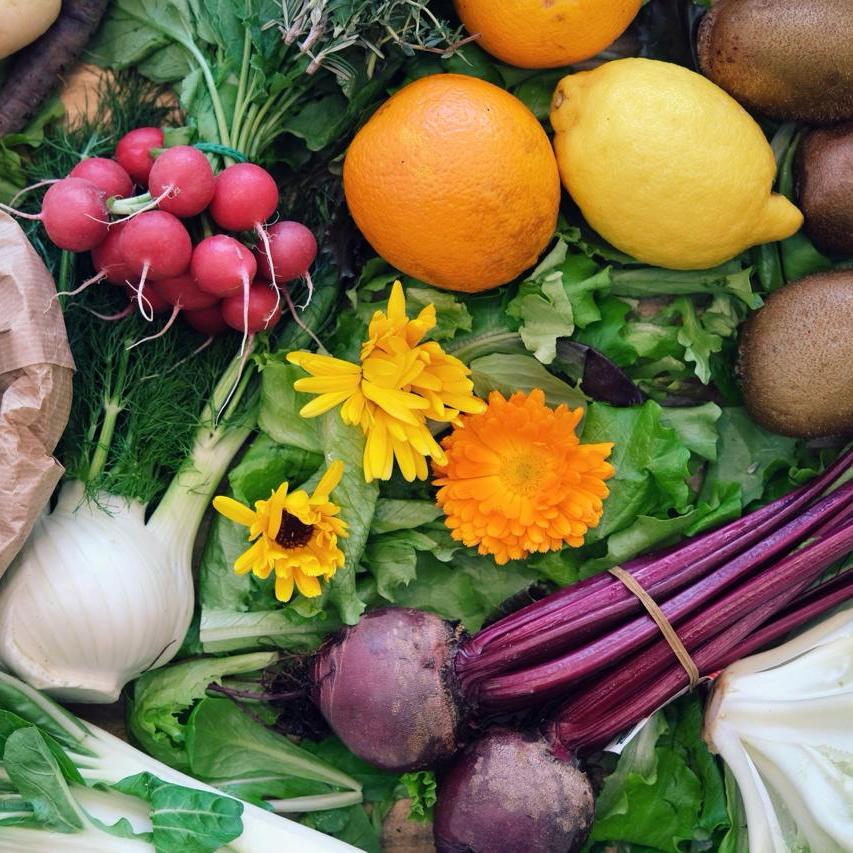
Biodiversity
Cultivated together, through intercropping or rotation, with more than 300 types and varieties of vegetables and legumes.
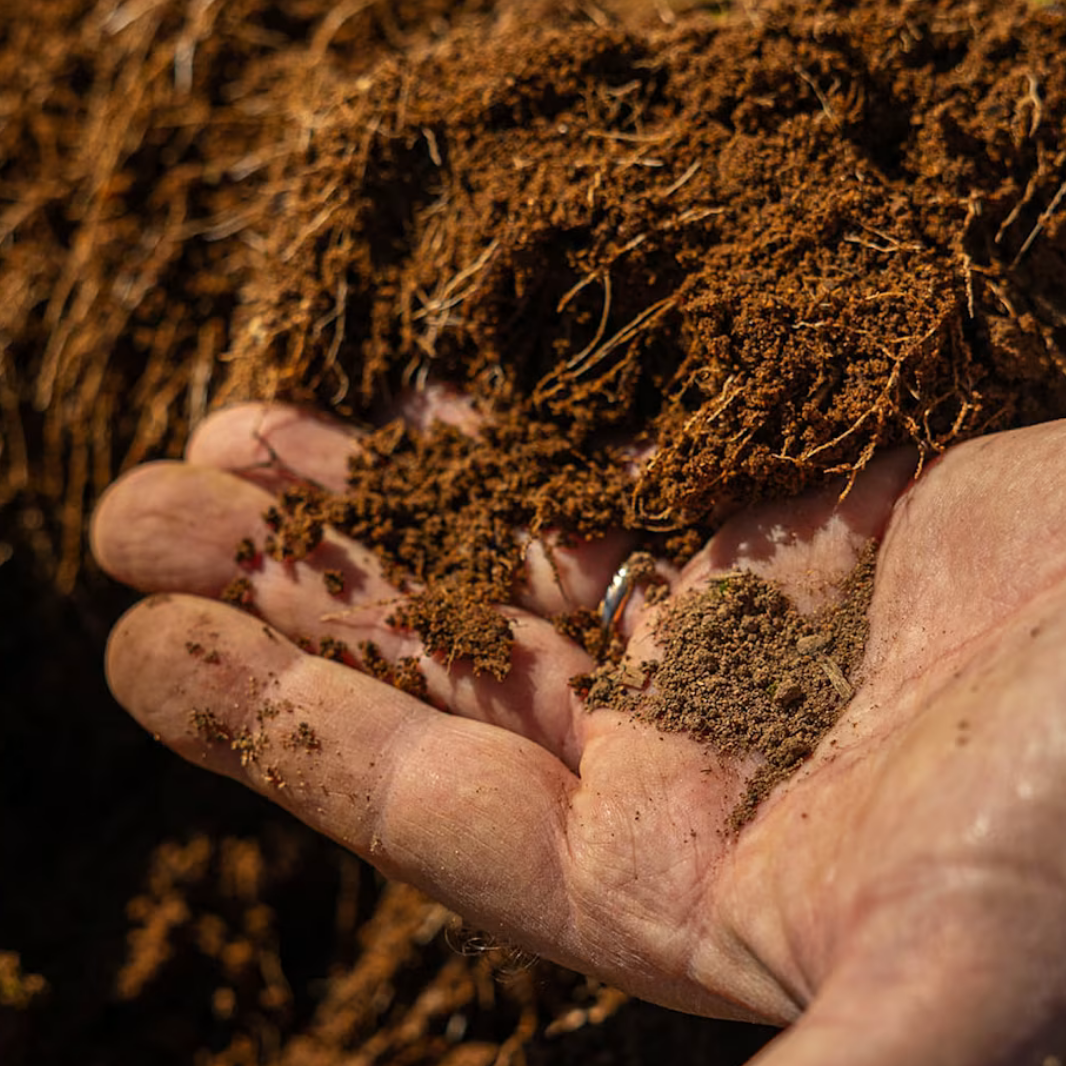
Chemical Free
No synthetic chemical residues have been detected on our radishes in over 40 years of chemical analyses conducted by certified third-party laboratories.
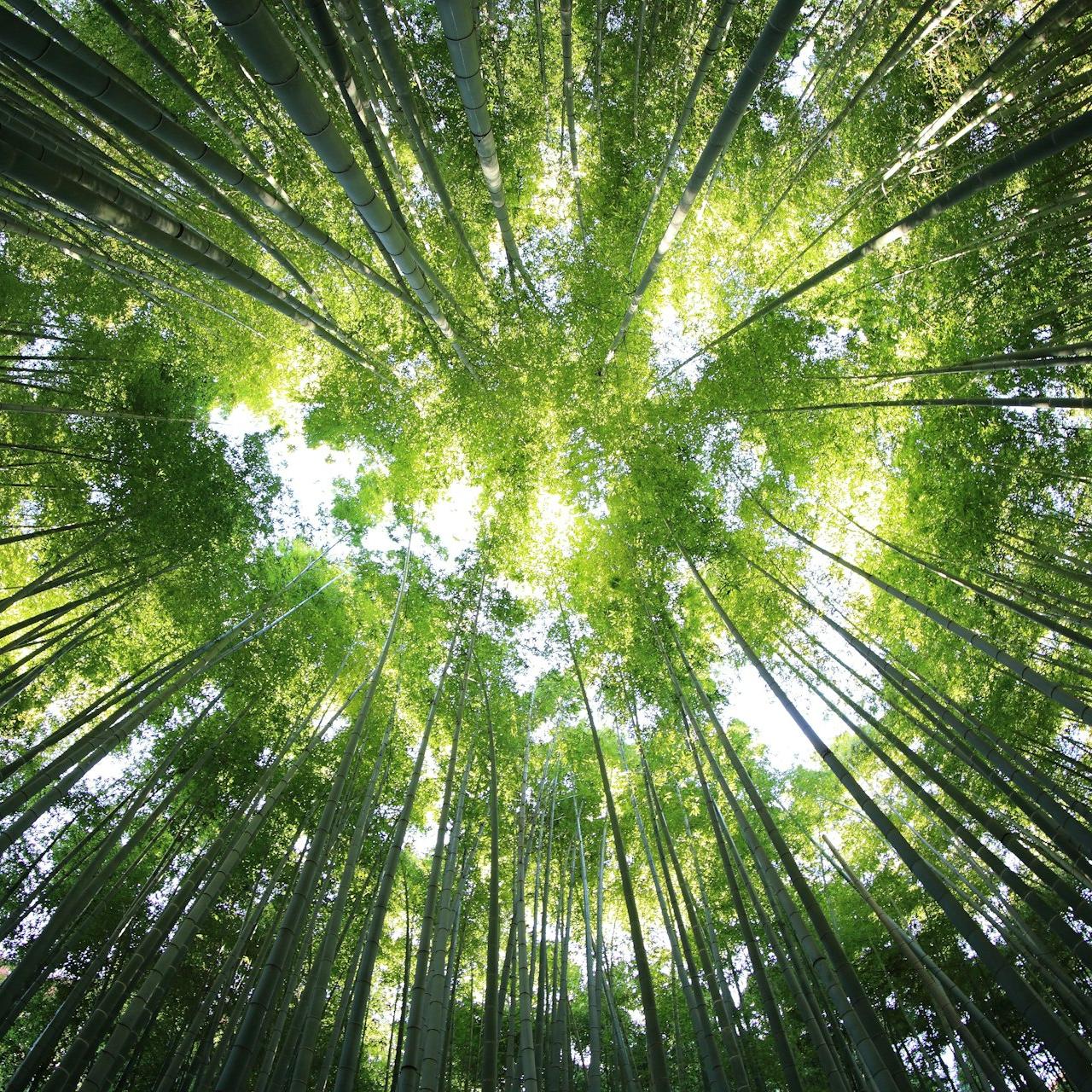
Sustainable
Thanks to our on-site solar installations, our positive energy balance is based entirely on renewable sources!

Trasparency
Certified traceability thanks to GLOBAL G.A.P. and CODEX certifications.