Biolatina's Bunch Onion
All wellness in one vegetable!
The bunch onion (Allium fistulosum L., 1753) is a plant belonging to the family Liliaceae. [1]
The first person to describe this species was Carl Linnaeus (1707–1778), who published its description in 1753 in "Species Plantarum 1: 301". [2]
It is an herbaceous plant whose origins lie in Central and Eastern Asia, as well as Northwestern China; historical documents attest to its cultivation and use since the 2nd century B.C. in China and in Japan during subsequent centuries. Its main area of cultivation today is extensive, especially across Asia, extending from Siberia to Indonesia, and parts of Africa as well as Europe. It is an adaptable herbaceous plant that thrives under various climates; it grows perennially with evergreen foliage in temperate zones and annually in more severe regions. [3]
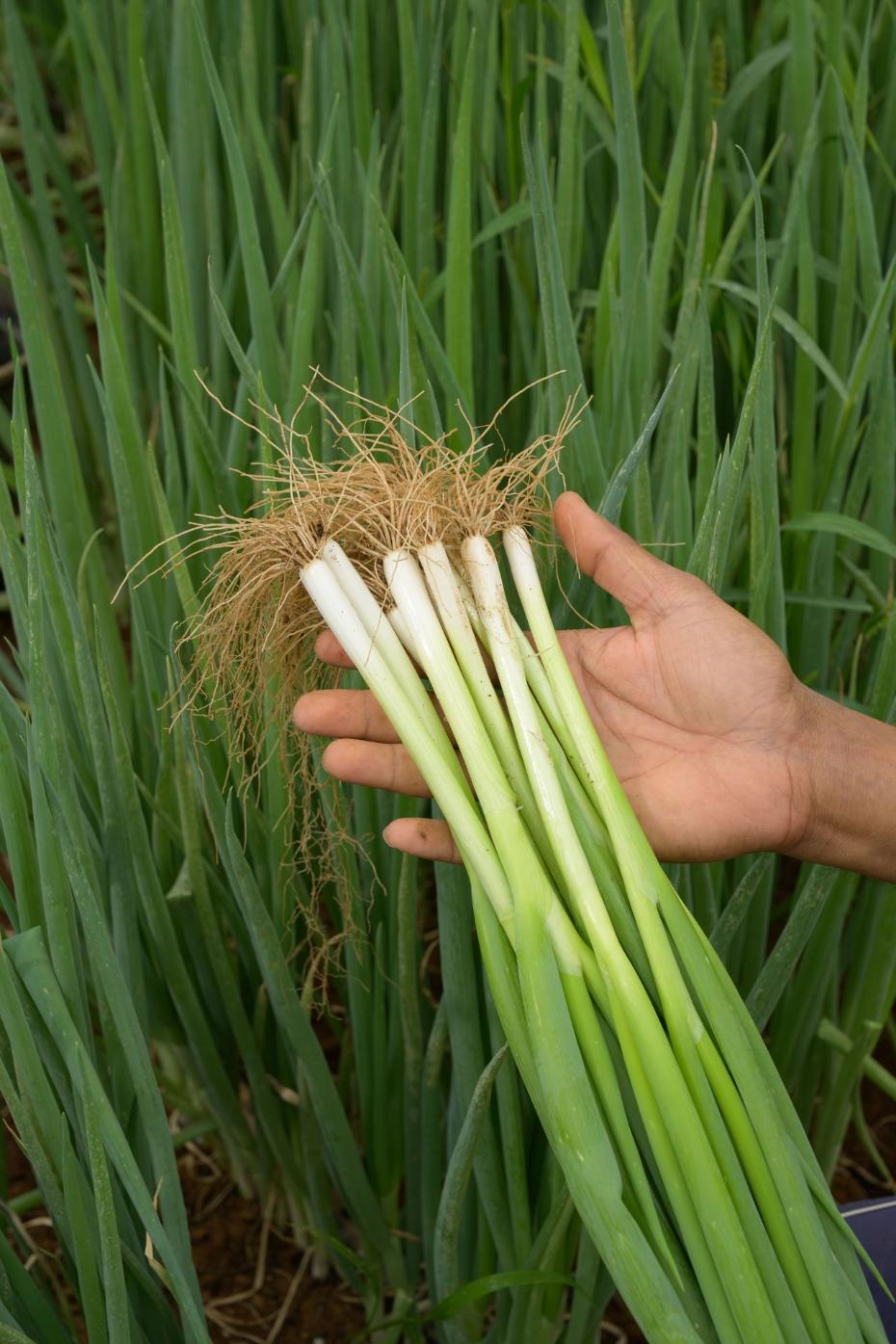
The bunch onion, so named because all parts of the plant are edible, is cultivated for food purposes and primarily consumed fresh.
Like other "onion" species worldwide, it has been used medicinally across various traditions and recognized health benefits have been established. [4]
In China, onion tea has long been recommended for treating conditions such as fever, migraines, cholera, and dysentery; modern scientific research suggests the medicinal effects of onions are mainly attributed to their high content of organosulfur compounds. [4]
All onion species contain several types of phytochemicals:
• Oligosaccharide carbohydrates (soluble fiber) such as FOS
• Organosulfur compounds, responsible for its characteristic aroma
• Organoselenium compounds; and
• Phenolic compounds such as flavonoids and derivatives of quercetin [5]
In most cases, these compounds have potential health benefits: antimicrobial, antibacterial, anticancer preventive properties, anti-inflammatory, antithrombotic, and hypolipidemic effects. [5]
Scientific literature generally attributes onion consumption with potential anticarcinogenic effects due to the accumulation of various sulfur-containing and organic compounds including quercetin, flavonoids, and allicin. [6]
However, recent studies are rich in clinical trials and research highlighting unique and specific properties particular to bunch onions. For example, saponins of furostanol type have been isolated from the bulb of the bunch onion, demonstrating their antibacterial efficacy against Escherichia coli and Enterococcus faecalis. [7]
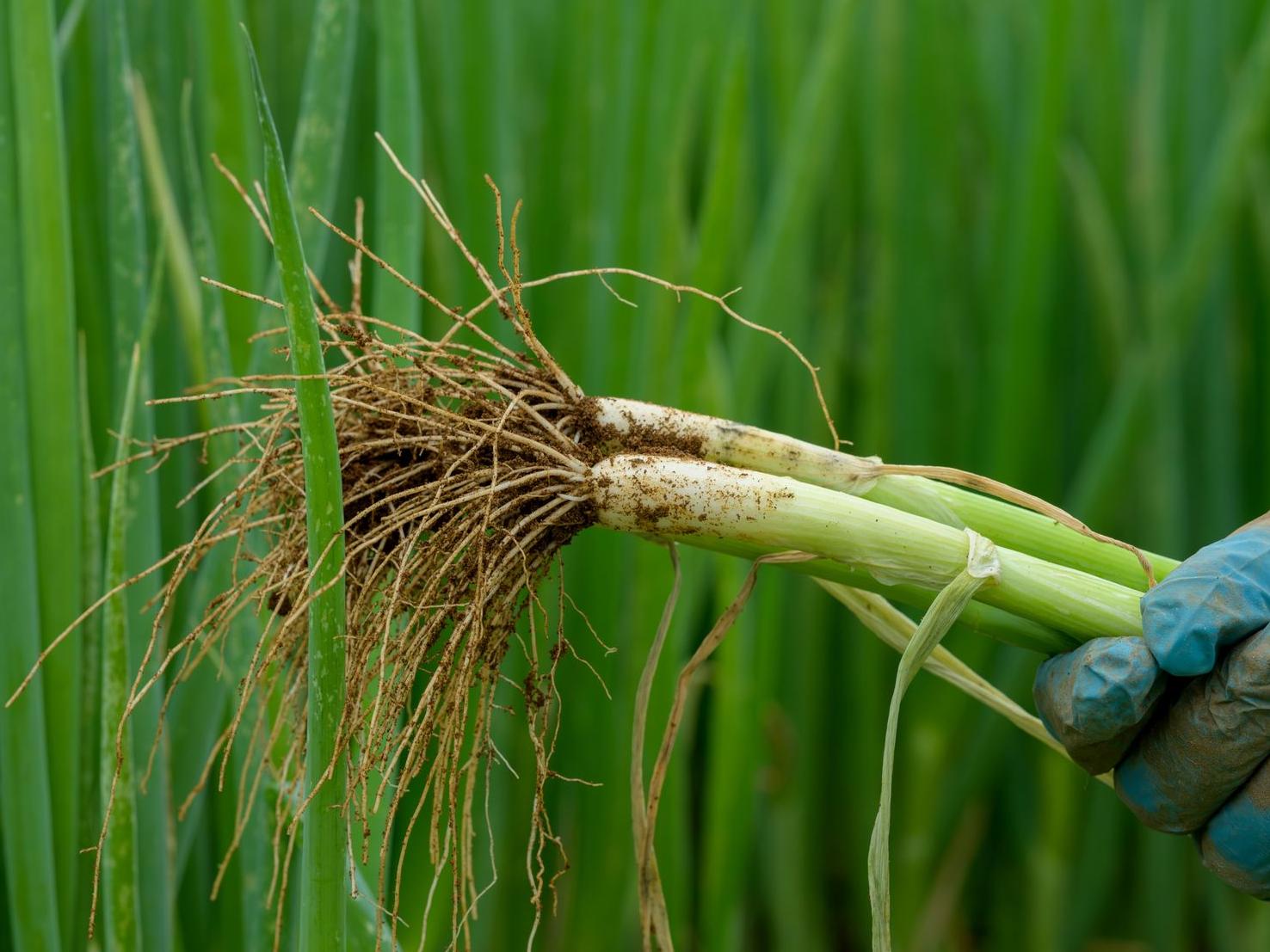
A recent 2018 study demonstrated that an extract from Bunch onion contributes to restoring normal ovarian function in "Polycystic Ovary Syndrome," through regulation of complex hormonal functions. [8]
Further research has shown potential positive effects of consuming Bunch onions on weight reduction and control as well as managing obesity. [9]
Scientific evidence also suggests a possible anti-carcinogenic effect from Bunch onion consumption; specifically, one study documented the presence in the bulb extract of bicyclic sulfides—welsonine A1 and A2—with the latter showing strong efficacy at inhibiting proliferation of various cancer cell lines via suppression of macrophage M2 polarization. [10]
Nutritionally, Bunch onions have extremely high levels of vitamins A and K; consuming just 100 g raw is sufficient to exceed recommended daily intakes established by SINU (Italian Society for Human Nutrition) and the Scientific Committee on Food of the European Union. [11]
Scientific literature now broadly recognizes vitamin A's diverse properties, particularly its contribution in:
• Normal iron metabolism [12]
• Immune system function [12][14]
• Cellular differentiation [12][13]
• Healthy skin [12][13]
• Normal vision capacity. [12][13]
Benefits attributed to vitamin K include:
• Normal blood clotting [15]
• Maintenance of healthy bones [15]

Additionally, Bunch onions are also an excellent source of vitamin C which contributes to:
• Healthy collagen formation for proper function of skin, cartilage, bone, teeth and blood vessels [16]
• Normal energy metabolism [17]
• Normal nervous system and immune system function [16][17]
• Protection against oxidative stress on cells [16][17]
• Reduction in fatigue sensation [17]
• Increased iron absorption [16]
Some additional notes on organic bunch onions in general
Several studies suggest that vegetables grown under organic farming practices contain significantly higher levels of certain nutrients compared to conventionally cultivated ones. [18]
A 2014 meta-analysis published in the British Journal of Nutrition, based on 343 peer-reviewed scientific publications, revealed that concentrations of a broad range of antioxidants—including polyphenols—were notably elevated in organically grown vegetables relative to conventionally cultivated counterparts; some cases such as anthocyanins showed increases up to 51%. [19]
Biolatina's bunch onions are:

Enviroment
Grown near the Circeo Natural Park, in lush nature, among dozens of protected species of plants and animals.

Organic and Biodynamic
Certified from seed to plate since 1985.
Fresh
Harvested and immediately distributed, they undergo no preservation processes apart from refrigeration during the hottest periods: thus, they retain all their properties.

Dedicated work-line
Harvested, hand-sorted, and washed in the company's exclusive facility, which is used only and exclusively for Biolatina's organic products, with no possibility of contamination.
Sustainable
Harvested and immediately distributed, they undergo no preservation processes apart from refrigeration during the hottest periods: thus, they retain all their properties!
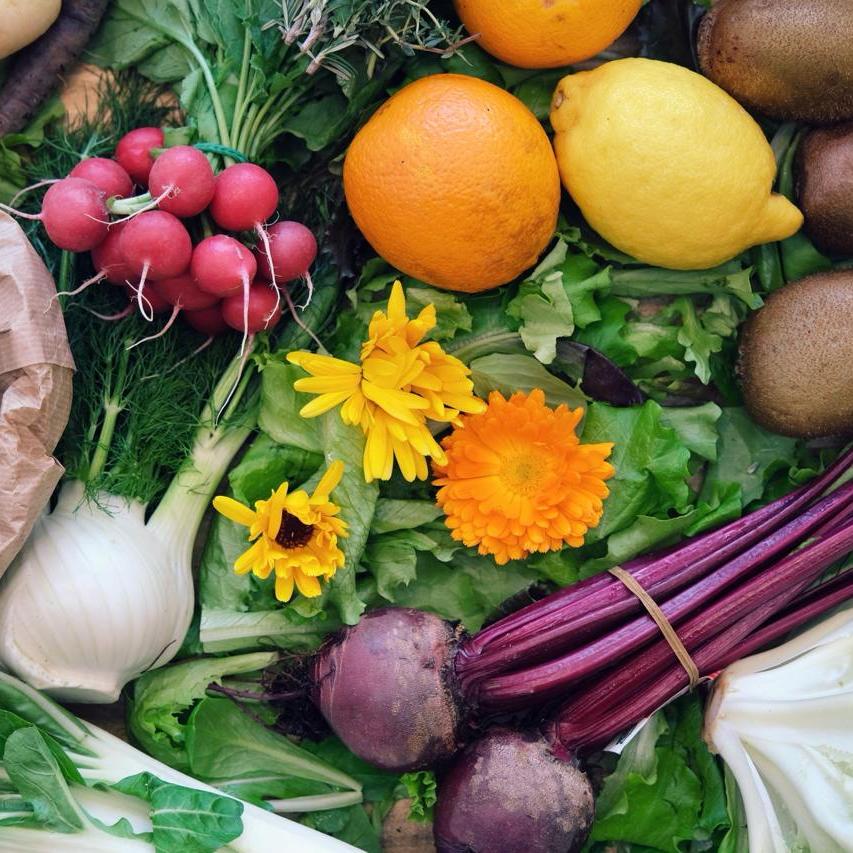
Biodiversity
Cultivated together, through intercropping or rotation, with more than 300 types and varieties of vegetables and legumes.
Chemical Free
No synthetic chemical residues have been detected on our radishes in over 40 years of chemical analyses conducted by certified third-party laboratories.
Plastic free
Packaged without plastic

Trasparency
Certified traceability thanks to GLOBAL G.A.P. and CODEX certifications.
Discover our other products.
References
[1] Acta Plantarum - Flora of Italian Regions https://www.actaplantarum.org/flora/flora_info.php?id=517 consulted October 1, 2019
[2] Allium fistulosum L. Search in The Plant List, Tropicos.org. Missouri Botanical Garden. URL consulted October 4, 2019
[3] N. Normah,H.F. Chin,Barbara M. Reed, Conservation of Tropical Plant Species., Springer, 2013, ISBN 978-1-4614-3776-5
[4] Corzo-Martínez M et al., Onion Consumption and Health, Nova Science Publishers 2012
[5] Nicastro H.L., Ross S.A., Milner J.A. Garlic and onions: Their cancer prevention properties. Cancer Prev. Res. 2015;8:181–189. doi: 10.1158/1940-6207.CAPR-14-0172
[6] Asemani Y, Zamani N, Bayat M, Amirghofran Z., Allium vegetables for possible future of cancer treatment. Phytother Res. 2019 Aug 29. doi: 10.1002/ptr.6490
[7] Zolfaghari B et al. Furostanol Saponins from the Bulbs of Welsh Onion, Allium fistulosum L. Planta Med. 2016 Dec;82(18):1584-1590. Epub 2016 Nov 16
[8] Lee Y., Yang H., Lee S., Kwon S., Hong E., Lee H. Welsh onion root (Allium fistulosum) restores ovarian functions from letrozole induced-polycystic ovary syndrome. Nutrients. 2018;10(10):p. 1430. doi: 10.3390/nu10101430
[9] Sung Y.Y., Kim D.S., Kim S.H., Kim H.K. Aqueous and ethanolic extracts of welsh onion, Allium fistulosum, attenuate high-fat diet-induced obesity. BMC Complement. Altern. Med. 2018;18:105. doi: 10.1186/s12906-018-2152-6
[10] Nohara T et al. Two new bicyclic sulfoxides from Welsh onion. J Nat Med. 2016 Apr;70(2):260-5. doi: 10.1007/s11418-015-0947-z. Epub 2015 Dec 16
[11] USDA Website https://fdc.nal.usda.gov/fdc-app.html#/?query=ndbNumber:11293
[12] EFSA Panel on Dietetic Products, Nutrition and Allergies (NDA); Scientific Opinion on the substantiation of health claims related to vitamin A and cell differentiation (ID 14), function of the immune system (ID 14), maintenance of skin and mucous membranes (ID 15, 17), maintenance of vision (ID 16), maintenance of bone (ID 13, 17), maintenance of teeth (ID 13, 17), maintenance of hair (ID 17), maintenance of nails (ID 17), metabolism of iron (ID 206), and protection of DNA, proteins and lipids from oxidative damage (ID 209) pursuant to Article 13(1) of Regulation (EC) No 1924/2006 on request from the European Commission. EFSA Journal 2009; 7(9):1221. [25 pp.]. doi:10.2903/j.efsa.2009.1221
[13] EFSA Panel on Dietetic Products, Nutrition and Allergies (NDA); Scientific Opinion on the substantiation of health claims related to vitamin A (including β-carotene) and maintenance of normal vision (ID 4239, 4701), maintenance of normal skin and mucous membranes (ID 4660, 4702), and maintenance of normal hair (ID 4660) pursuant to Article 13(1) of Regulation (EC) No 1924/2006. EFSA Journal 2010;8(10):1754. [13 pp.]. doi:10.2903/j.efsa.2010.1754
[14] EFSA Panel on Dietetic Products, Nutrition and Allergies (NDA); Scientific Opinion on the substantiation of health claims related to beta-carotene and protection of DNA, proteins and lipids from oxidative damage (ID 19, 197, 1262, 1460), protection of the skin from UV-induced (including photo-oxidative) damage (ID 178, 197, 1263, 1461, 1968, 2320) and maintenance of normal function of immune system (ID 200, 1462) pursuant to Article 13(1) of Regulation (EC) No 1924/2006. EFSA Journal 2011;9(4):2021. [22pp.]. doi:10.2903/j.efsa.2011.2021
[15] EFSA Panel on Dietetic Products, Nutrition and Allergies (NDA); Scientific Opinion on the substantiation of health claims related to vitamin K and maintenance of bones (ID 123, 127, 128 and 2879), blood coagulation (ID 124 and 126), and function of heart and blood vessels (ID 124, 125 and 2880) pursuant to Article 13(1) of Regulation (EC) No 1924/2006 on request from the European Commission. EFSA Journal 2009;7(9):1228. [20 pp.]. doi:10.2903/j.efsa.2009.1228
[16] EFSA Panel on Dietetic Products, Nutrition and Allergies (NDA); Scientific Opinion on the substantiation of health claims related to vitamin C and protection of DNA, proteins and lipids from oxidative damage (ID 129, 138, 143, 148), antioxidant function of lutein (ID 146), maintenance of vision (ID 141, 142), collagen formation (ID 130, 131, 136, 137, 149), function of nervous system (ID 133), function of immune system (ID 134), function of immune system during and after extreme physical exercise (ID 144), non-haem iron absorption (ID 132, 147), energy-yielding metabolism (ID 135) and relief in case of irritation in upper respiratory tract (ID 1714, 1715) pursuant to Article 13(1) of Regulation (EC) No 1924/2006 on request from the European Commission. EFSA Journal 2009;7(9):1226. [28 pp.]. doi:10.2903/j.efsa.2009.1226
[17] EFSA Panel on Dietetic Products, Nutrition and Allergies (NDA); Scientific Opinion on the substantiation of health claims related to vitamin C and reduction of tiredness and fatigue (ID 139, 2622), contribution to normal psychological functions (ID 140), regeneration of reduced form of vitamin E (ID 202), contribution to normal energy-yielding metabolism (ID 2334, 3196), maintenance of normal function of immune system (ID 4321) and protection of DNA, proteins and lipids from oxidative damage (ID 3331) pursuant to Article 13(1) of Regulation (EC) No 1924/2006. EFSA Journal 2010;8(10):1815. [20 pp.]. doi:10.2903/j.efsa.2010.1815
[18] R. Pinton, Biologico la parola alla scienza. Assobio, Bologna, 2015
[19] Barański M., Średnicka-Tober D., Volakakis N., Seal C., Sanderson R., Stewart G.B., Benbrook C., Biavati B., Markellou E., Giotis C., et al. Higher antioxidant and lower cadmium concentrations and lower incidence of pesticide residues in organically grown crops: A systematic literature review and meta-analyses. Br. J. Nutr. 2014;112:794–811