Biolatina's carrot
At the roots of health!
Key points in this reading
- Carrots were used for medicine 2000 years ago—and science still confirms it today
- Orange carrots are the global superstar—but you can’t get their power without knowing what’s really in them
- Organic carrots have more antioxidants than conventional ones—sometimes by 51% (yes, really)
- Our carrots are chemical-free, plastic-free, and grown near a national park with over 300 plant species nearby for biodiversity
- Your daily carrot might be your defense against diabetes, inflammation & bad cholesterol (science backed)
- And here’s the kicker: just eating 100g raw gives you more vitamin A than the EU recommends in a day (All references down below)
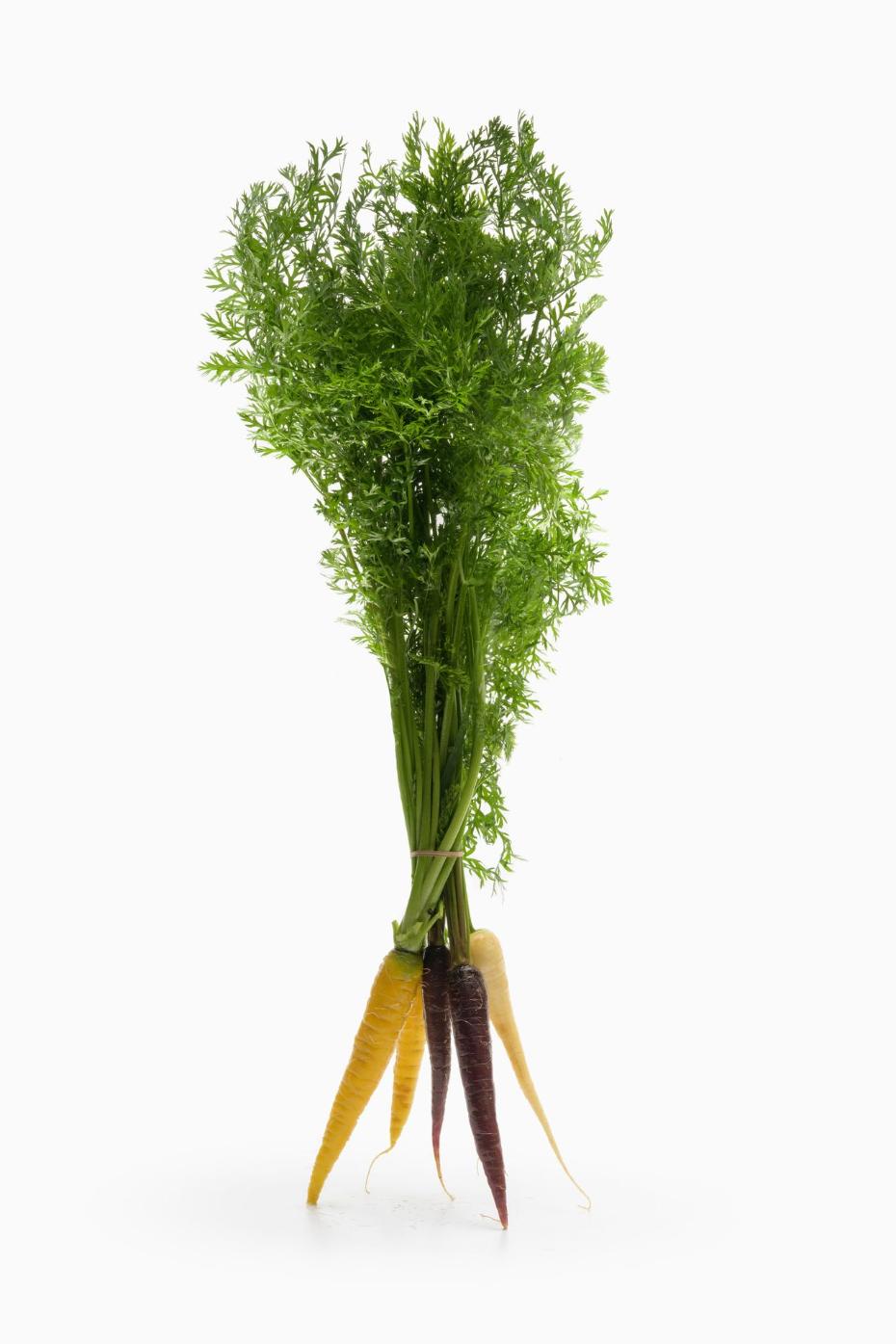
Carrot (Daucus carota L.) is the most important and widely cultivated crop among those belonging to the Apiaceae family.
It is a herbaceous plant native to Western Asia; carrot seeds, whether wild or cultivated, were certainly used for medicinal purposes in the Mediterranean region as far back as ancient Rome; in some writings from the second century AD, Galen (129–201 AD) already distinguished carrots from parsley and explicitly cited their cultivation for medical use [1].
Only during the Middle Ages did carrot consumption spread throughout Europe for culinary purposes [1].
The root color can be white, yellow, orange, red, purple, or very dark violet. The first cultivated carrots were yellow and purple. - Orange carrots, now more popular and widespread, were selected and cultivated starting from the 15th to the 16th century.
Carotenoids and anthocyanins are the main antioxidant pigments found in carrots. Differences in color among various cultivars depend on the types of pigments present. Carotenoids are complex phytochemicals that appear yellow, orange, or red and are found primarily in most yellow- to orange-fleshed cultivars. The orange carrot—the most cultivated variety globally—is rich in α- and β-carotene and is a good source of provitamin A [2].
Numerous scientific studies have shown that carotenoids, polyphenols, and vitamins present in carrots exhibit antioxidant, anticancerogenic, and immunostimulatory effects [3][4].
Indeed, carotenoids seem to act as powerful antioxidants capable of neutralizing free radical activity, while other research has revealed their potential inhibitory action on mutagenesis that may reduce the risk of certain types of tumors [5].
On the other hand, flavonoids and phenolic derivatives present in carrot roots also play an antioxidant role, reducing inflammatory states and modulating immune responses [6].
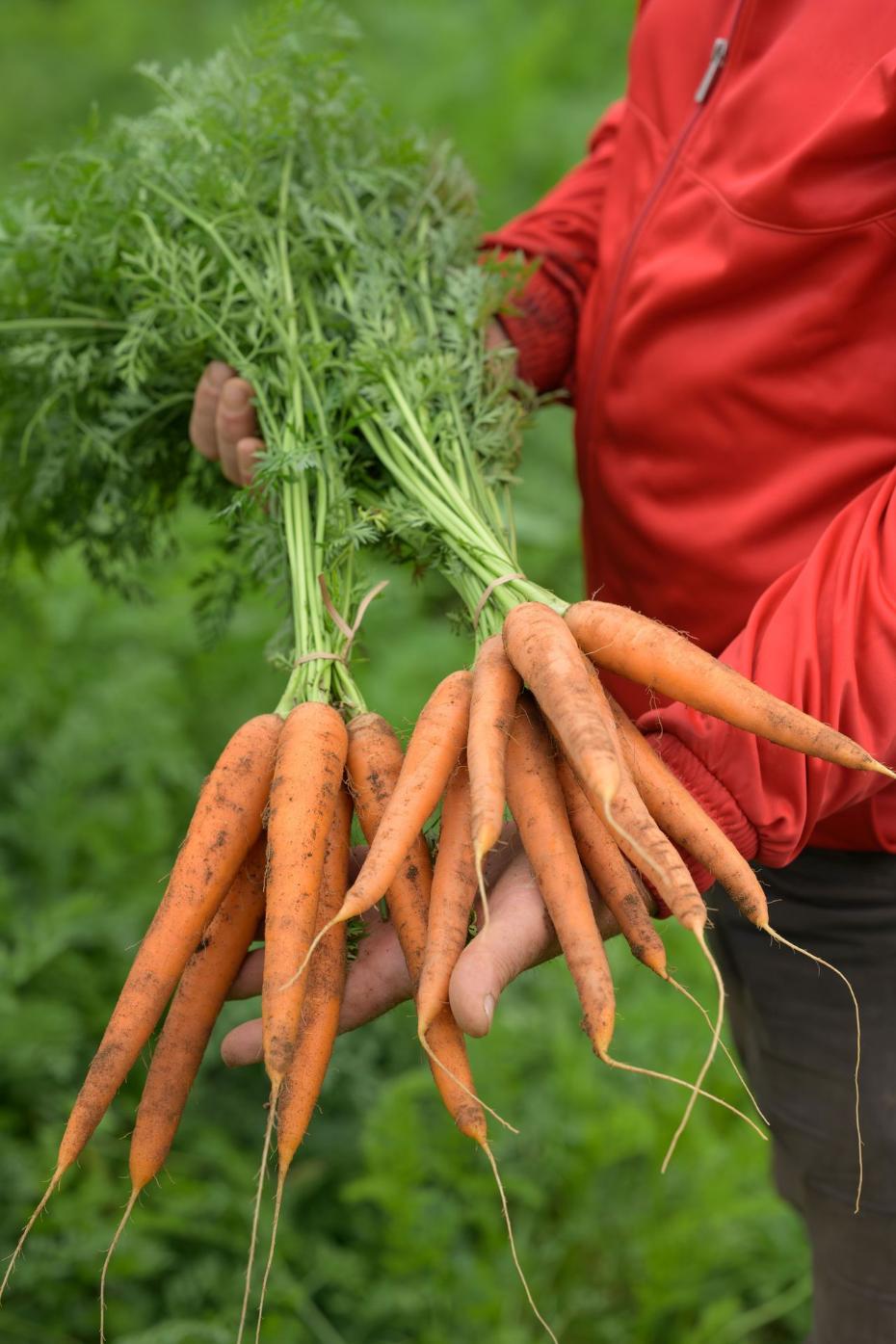
A scientific study from 2004 compared the characteristics, functional properties, and in vitro hypoglycemic effects of various insoluble fiber fractions from carrots, observing that fractions containing not only insoluble fibers but also alcohol, isolated from carrot roots, demonstrated glucose absorption capacity and amylase-inhibiting activity [7].
Furthermore, the fibers in carrots supply humans with a significant amount of polyphenols and carotenoids bound to their fiber matrix [8][9]. This study concluded that increased glucose absorption and reduced amylase activity resulting from carrot fibers could help lower postprandial blood glucose levels—proving useful for diabetic patients [7].
In general, literature has described potential anti-diabetic, cholesterol-lowering, hepatoprotective, anti-inflammatory, analgesic, and cardiovascular preventive effects of carrots—even though many mechanisms through which these benefits are achieved remain very complex and often unknown [2].
What is certain and evident is the extremely high content of vitamin A in carrots; it is sufficient to consume 100 g raw to exceed the daily recommended intake established by SINU (Italian Society of Human Nutrition) and the Scientific Committee on Food of the European Union [10].
Scientific literature now unanimously recognizes vitamin A’s various properties, particularly its contribution to:
- normal iron metabolism [11]
- immune system function [11][13]
- cellular differentiation [11][12]
- healthy skin [11][12]
- normal vision capability. [11][12]
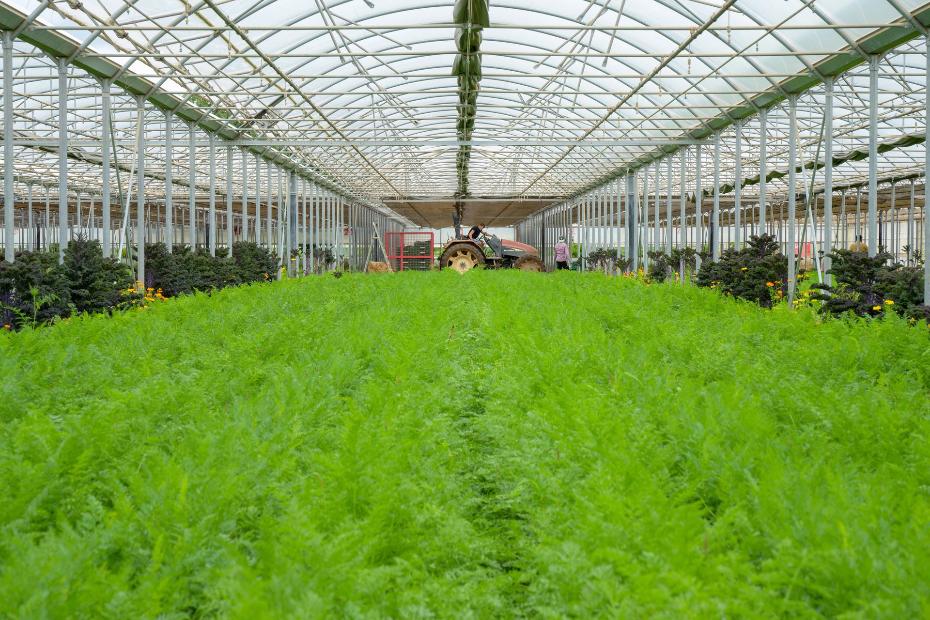
Some additional notes on organic carrots in general
Several studies suggest that vegetables grown under organic farming practices contain significantly higher levels of certain nutrients compared to conventionally cultivated ones. [18]
A 2014 meta-analysis published in the British Journal of Nutrition, based on 343 peer-reviewed scientific publications, revealed that concentrations of a broad range of antioxidants—including polyphenols—were notably elevated in organically grown vegetables relative to conventionally cultivated counterparts; some cases such as anthocyanins showed increases up to 51%. [19]
On top of all the above Biolatina's carrots also present the following characteristics:
Biolatina's carrots are:

Enviroment
Grown near the Circeo Natural Park, in lush nature, among dozens of protected species of plants and animals.

Organic and Biodynamic
Certified from seed to plate since 1985.

Fresh
Harvested and immediately distributed, they undergo no preservation processes apart from refrigeration during the hottest periods: thus, they retain all their properties.

Dedicated work-line
Harvested, hand-sorted, and washed in the company's exclusive facility, which is used only and exclusively for Biolatina's organic products, with no possibility of contamination.

Sustainable
Thanks to our on-site solar installations, our positive energy balance is based entirely on renewable sources!
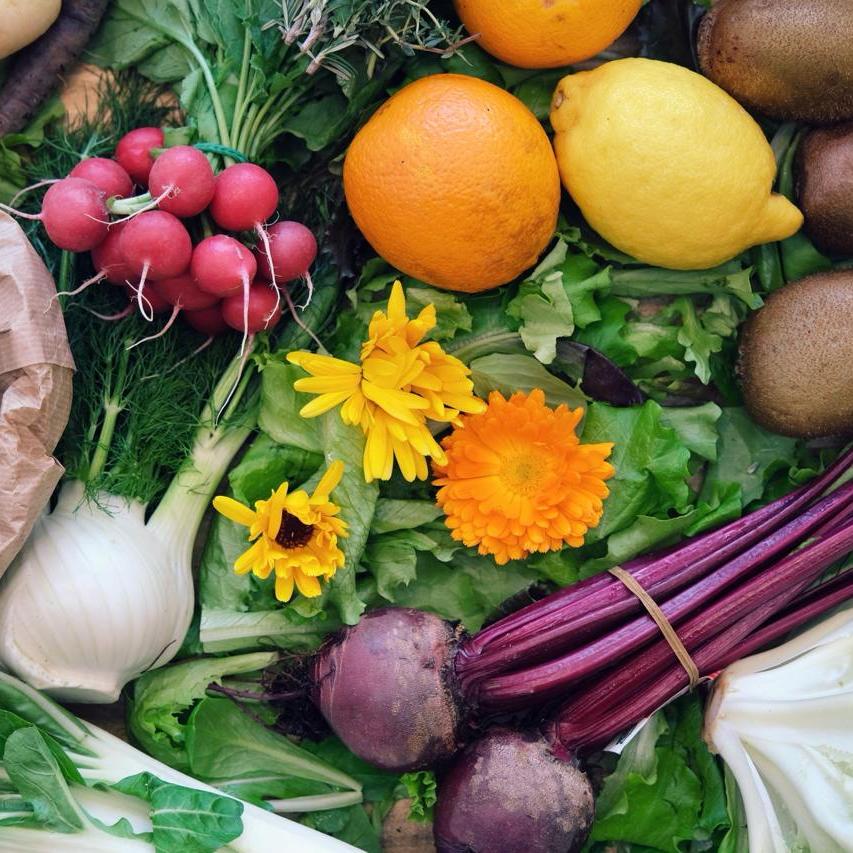
Biodiversity
Cultivated together, through intercropping or rotation, with more than 300 types and varieties of vegetables and legumes.
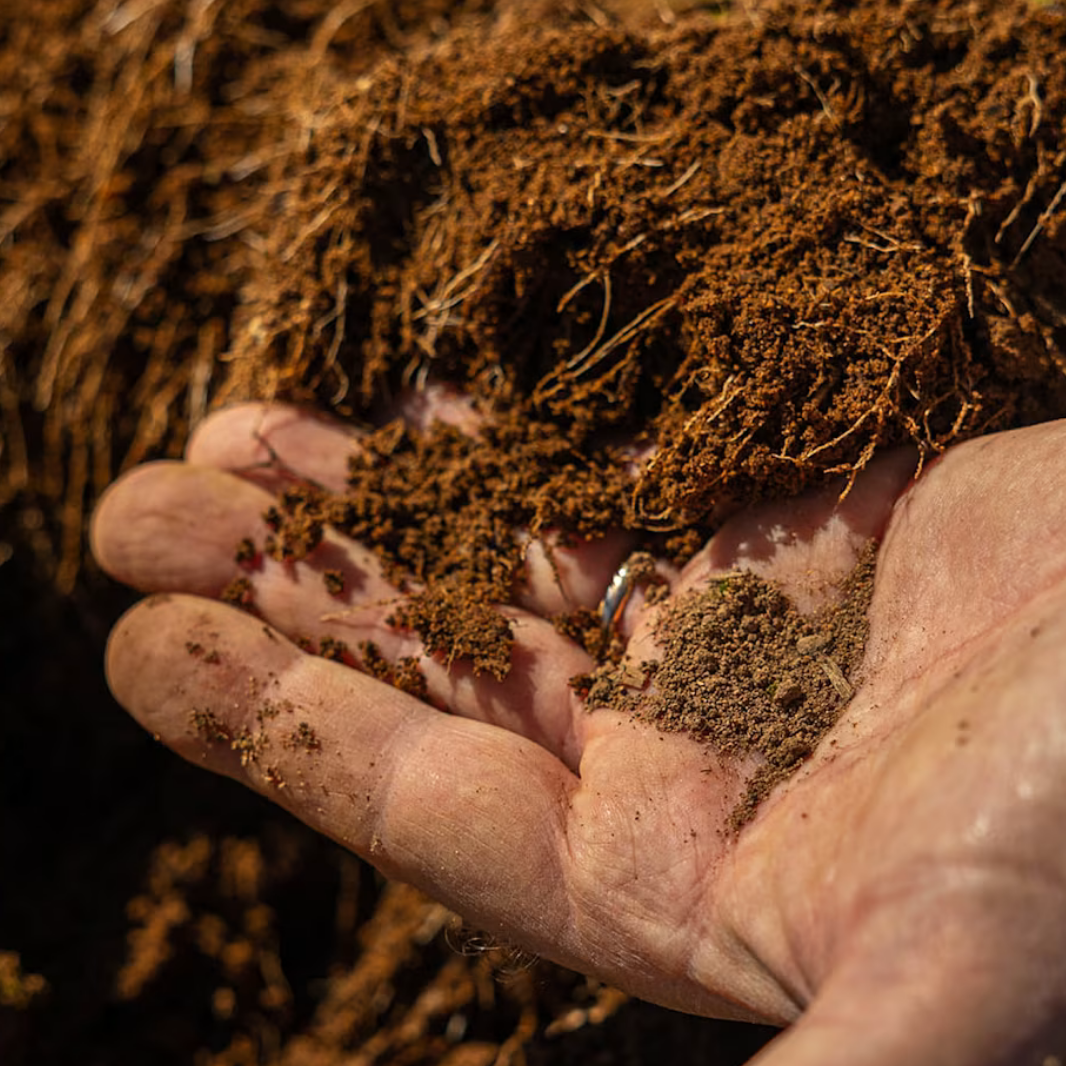
Chemical Free
No synthetic chemical residues have been detected on our radishes in over 40 years of chemical analyses conducted by certified third-party laboratories.
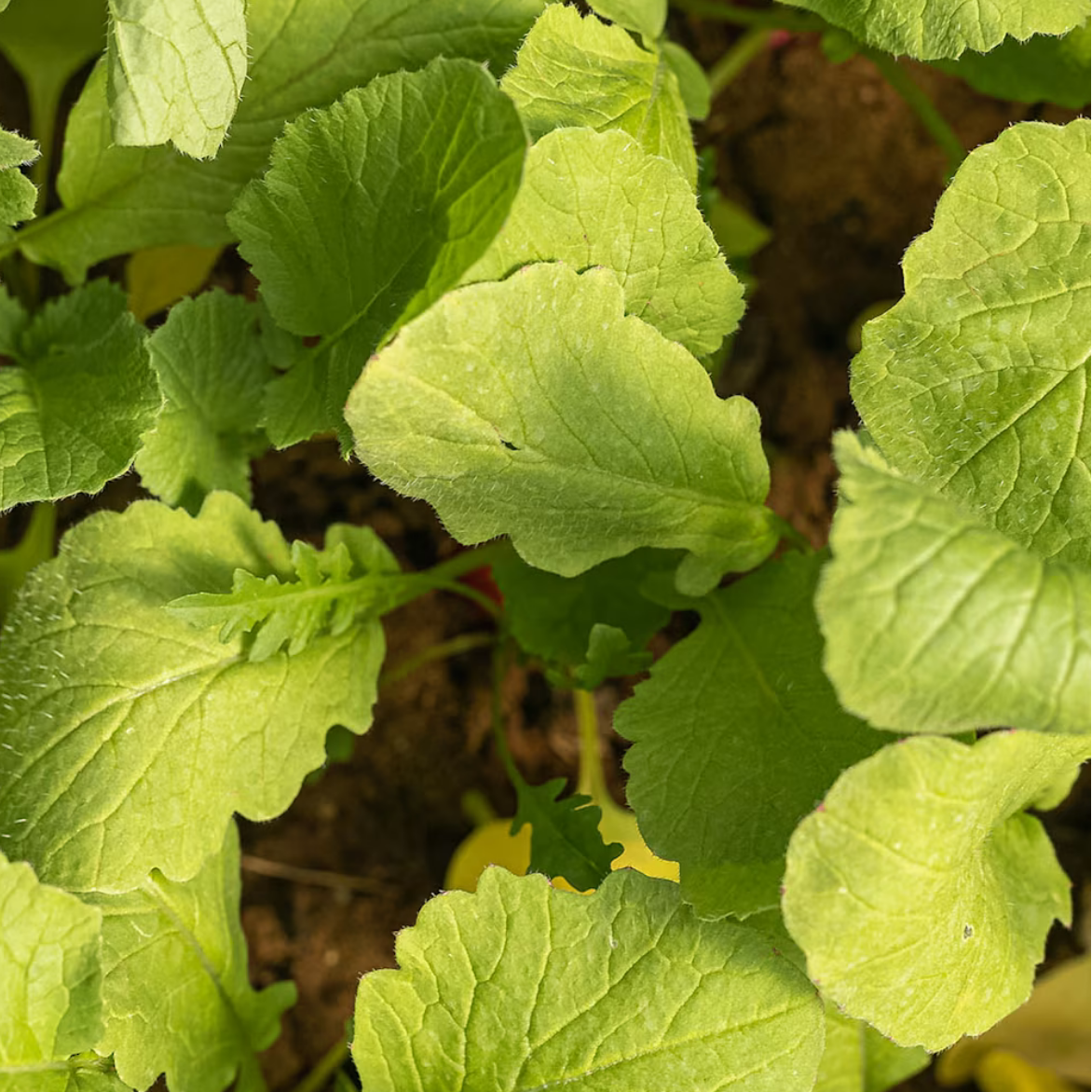
Whole
Sold in bunches, leaves and roots together!

Plastic free
Packaged without plastic

Trasparency
Certified traceability thanks to GLOBAL G.A.P. and CODEX certifications.
References
[1] Simon, P.W. (2000) Domestication, Historical Development and Modern Breeding of Carrot. Plant Breeding Reviews, 19, 157-190.
[2] Silva Dias, J.C. (2014) Nutritional and Health Benefits of Carrots and Their Seed Extracts. Food and Nutrition Sciences, 5, 2147-2156. http://dx.doi.org/10.4236/fns.2014.522227
[3] Dias, J.S. (2012) Major Classes of Phytonutriceuticals in Vegetables and Health Benefits: A Review. Journal of Nutritional Therapeutics, 1, 31-62.
[4] Dias, J.S. (2012) Nutritional Quality and Health Benefits of Vegetables: A Review. Food and Nutrition Sciences, 3, 1354-1374. http://dx.doi.org/10.4236/fns.2012.310179
[5] Sun, T., Simon, P.W. and Tamumuhardjo, S.A. (2009) Antioxidant Phytochemicals and Antioxidant Capacity of Biofortified Carrots (Daucus carota L.) of Various Colors. Journal of Agricultural and Food Chemistry, 57, 4142-4147. http://dx.doi.org/10.1021/jf9001044
[6] Zhang, D. and Hamauzu, Y. (2004) Phenolic Compounds and Their Antioxidant Properties in Different Tissues of Carrots (Daucus carota L.). Journal of Food, Agriculture and Environment (JFAE), 2, 95-100.
[7] Chau, C.F., Chen, C.H. and Lee, M.H. (2004) Comparison of the Characteristics, Functional Properties, and in Vitro Hypoglycemic Effects of Various Carrot Insoluble Fiber-Rich Fractions. Lebensmittel-Wissenshaff und Technologie, 37, 155-160. http://dx.doi.org/10.1016/j.lwt.2003.08.001
[8] Saura-Calixto, F. and Goñi, I. (2006) Antioxidant Capacity of the Spanish Meditarrean Diet. Food Chemistry, 94, 442-447. http://dx.doi.org/10.1016/j.foodchem.2004.11.033
[9] Saura-Calixto, F., Serrano, J. and Goñi, I. (2007) Intake and Bioaccessibility of Total Polyphenols in a Whole Diet. Food Chemistry, 101, 492-501. http://dx.doi.org/10.1016/j.foodchem.2006.02.006
[10] USDA Website https://fdc.nal.usda.gov/fdc-app.html#/?query=ndbNumber:11124
[11] EFSA Panel on Dietetic Products, Nutrition and Allergies (NDA); Scientific Opinion on the substantiation of health claims related to vitamin A and cell differentiation (ID 14), function of the immune system (ID 14), maintenance of skin and mucous membranes (ID 15, 17), maintenance of vision (ID 16), maintenance of bone (ID 13, 17), maintenance of teeth (ID 13, 17), maintenance of hair (ID 17), maintenance of nails (ID 17), metabolism of iron (ID 206), and protection of DNA, proteins and lipids from oxidative damage (ID 209) pursuant to Article 13(1) of Regulation (EC) No 1924/2006 on request from the European Commission. EFSA Journal 2009; 7(9):1221. [25 pp.]. doi:10.2903/j.efsa.2009.1221
[12] EFSA Panel on Dietetic Products, Nutrition and Allergies (NDA); Scientific Opinion on the substantiation of health claims related to vitamin A (including β-carotene) and maintenance of normal vision (ID 4239, 4701), maintenance of normal skin and mucous membranes (ID 4660, 4702), and maintenance of normal hair (ID 4660) pursuant to Article 13(1) of Regulation (EC) No 1924/2006. EFSA Journal 2010;8(10):1754. [13 pp.]. doi:10.2903/j.efsa.2010.1754
[13] EFSA Panel on Dietetic Products, Nutrition and Allergies (NDA); Scientific Opinion on the substantiation of health claims related to beta-carotene and protection of DNA, proteins and lipids from oxidative damage (ID 19, 197, 1262, 1460), protection of the skin from UV-induced (including photo-oxidative) damage (ID 178, 197, 1263, 1461, 1968, 2320)and maintenance of the normal function of the immune system (ID 200, 1462) pursuant to Article 13(1) of Regulation (EC) No1924/2006. EFSA Journal 2011;9(4):2021. [22pp.]. doi:10.2903/j.efsa.2011.2021.
[14] R. Pinton, Biologico la parola alla scienza. Assobio, Bologna, 2015
[15] Barański M., Średnicka-Tober D., Volakakis N., Seal C., Sanderson R., Stewart G.B., Benbrook C., Biavati B., Markellou E., Giotis C., et al. Higher antioxidant and lower cadmium concentrations and lower incidence of pesticide residues in organically grown crops: A systematic literature review and meta-analyses. Br. J. Nutr. 2014;112:794–811